Boost Your SEO With Do Follow Links Guide

Top-ranking pages often owe their success to do follow links that channel authority and lift visibility. Think of these links as pipes carrying resource-rich water—also known as link equity—straight to your site. Earning quality do follow links remains one of the most reliable ways to climb the SERPs.
Quick Overview Of Do Follow Links
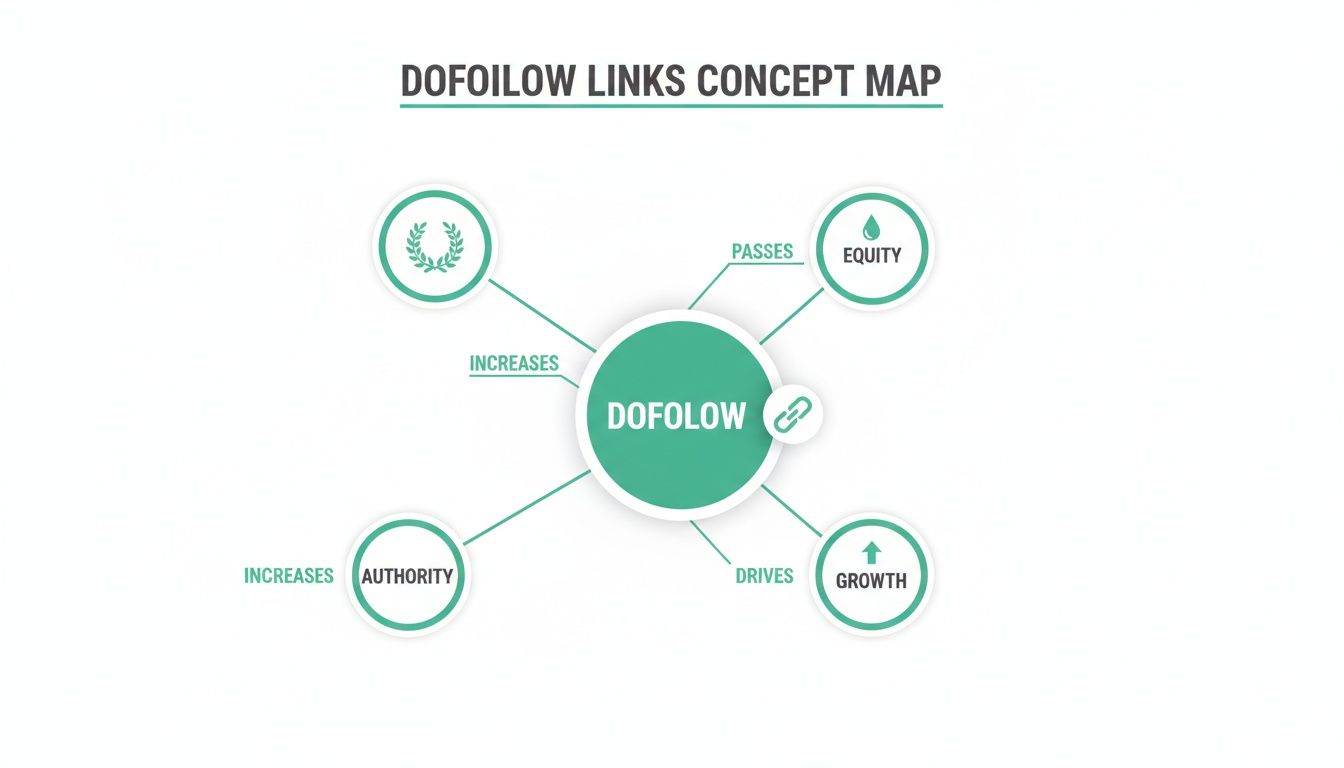
A do follow link tells search engines: “Please share this link’s power.” Unlike nofollow tags, it passes authority from the referring site to yours. Over time, this steady flow of equity helps pages rank higher and gain trust.
Practical tip:
Use free tools like MozBar or Ahrefs’ toolbar to spot do follow links on your site and competitors'. Then focus on earning more from high-authority domains.
Here’s what makes them so valuable:
- Passes link equity to boost domain authority
- Drives referral traffic by guiding visitors directly
- Improves indexing speed for faster discovery
Watch key metrics—domain rating, referral sessions and crawl rate—to see how smoothly your link equity flows.
In Germany’s booming digital advertising landscape in 2025, do-follow links have become a cornerstone of SEO strategies for brands leveraging the country’s top eCommerce market status. Digital ad spend is projected to surge to 67.1% of total ad expenditure by 2028, up from 50.7% in 2022, which underlines how vital these links are in boosting domain authority. Learn more about digital marketing trends in Germany.
| Aspect | Benefit | Metric Impact |
|---|---|---|
| Link Equity | Boost Domain Authority | + DA Score Growth |
| Referral Traffic | Direct User Visits | + Sessions |
| Indexing Speed | Faster Page Discovery | + Crawl Rate |
Before you dive deeper into link-building tactics, strengthen your foundation with our guide on core backlink basics: Core Backlink Concepts.
Understanding How Do Follow Links Work
Imagine a city’s main roads steering traffic into busy neighbourhoods. Do follow links work the same way, acting as open routes that carry search engine authority directly to your pages.
- Water = link equity
- Pipes = do follow hyperlinks
- Fields = target pages
PageRank And Link Equity
High-authority websites act like reservoirs of trust. When they link to you with a do follow tag, they open the valve and let equity flow in. A single link from a respected news outlet can be like a torrent of credibility.
| Element | Analogy | Role |
|---|---|---|
| High-Authority Sites | Reservoirs | Store and release equity |
| Do Follow Links | Valves | Control flow of link equity |
| Target Pages | Channels | Absorb incoming authority |
Anchor Text And Relevance
Anchor text is the clickable phrase users see. It guides both readers and bots:
- Keep it concise and descriptive
- Match it to your target keywords
- Vary anchors to avoid over-optimisation
When you choose anchor text thoughtfully, you help search engines index your pages more accurately.
Backlink profiles with 60%+ do follow ratio correlate to 35% higher domain ratings in German searches. Read the full research about backlink findings
How Bots Interpret Link Signals
Crawlers read HTML and treat each do follow link as a green light to follow. The more pathways you create, the more equity you spread across your site.
Learn more about equity flow in our Link Equity guide.
Maintaining A Healthy Link Mix
A natural backlink profile blends do follow with other link types:
- Audit your existing links to calculate your do follow ratio
- Aim for roughly 50–70% do follow for balance
- Include nofollow, UGC or sponsored links where appropriate
Mixing link types keeps your profile organic and robust.
Key Takeaways
- Do follow links carry authority that boosts PageRank
- Smart anchor text guides bots and users alike
- A 50–70% do follow ratio looks natural
- Mix in diverse link types for credibility
- Programmatic SEO tools can help you monitor and scale link management
Comparing Link Attributes
Here’s a quick reference for the four major link tags:
Link Attribute Comparison
| Link Type | Follows Bot | Passes Equity | Use Cases |
|---|---|---|---|
| Do follow | Yes | Yes | Editorial links, guest posts |
| Nofollow | No | No | Paid ads, comment sections |
| UGC | No | No | Forums, user comments |
| Sponsored | No | No | Paid partnerships, adverts |
Bot Treatment
- Do follow: open doors for bots and share equity
- Nofollow/UGC/Sponsored: keep bots out of the equity pipeline, but still help them discover pages
Equity Distribution
Think of do follow as opening the valve wide. Nofollow, UGC and sponsored tags close it. Balance is key.
Mixing Link Types
- 50–70% do follow for strong authority transfer
- 30–50% other tags for natural diversity
- Strictly label ads as sponsored to stay compliant
Real-World Scenarios
- Community forums: use UGC tags to block equity and reduce spam
- Paid reviews: apply sponsored to meet guidelines
- Trusted articles: use do follow to pass full authority
- Ad banners: set nofollow so bots know these aren’t editorial
Programmatic SEO platforms can automate tag assignments based on link context. Simple rules in Google Sheets or Airtable flag exceptions, saving manual work.
Practical Risks
Sudden spikes in do follow links can look suspicious. Build links steadily and audit regularly to avoid tag drift.
Check out nofollow links for more on balancing your profile.
Implement Do Follow Links Practically
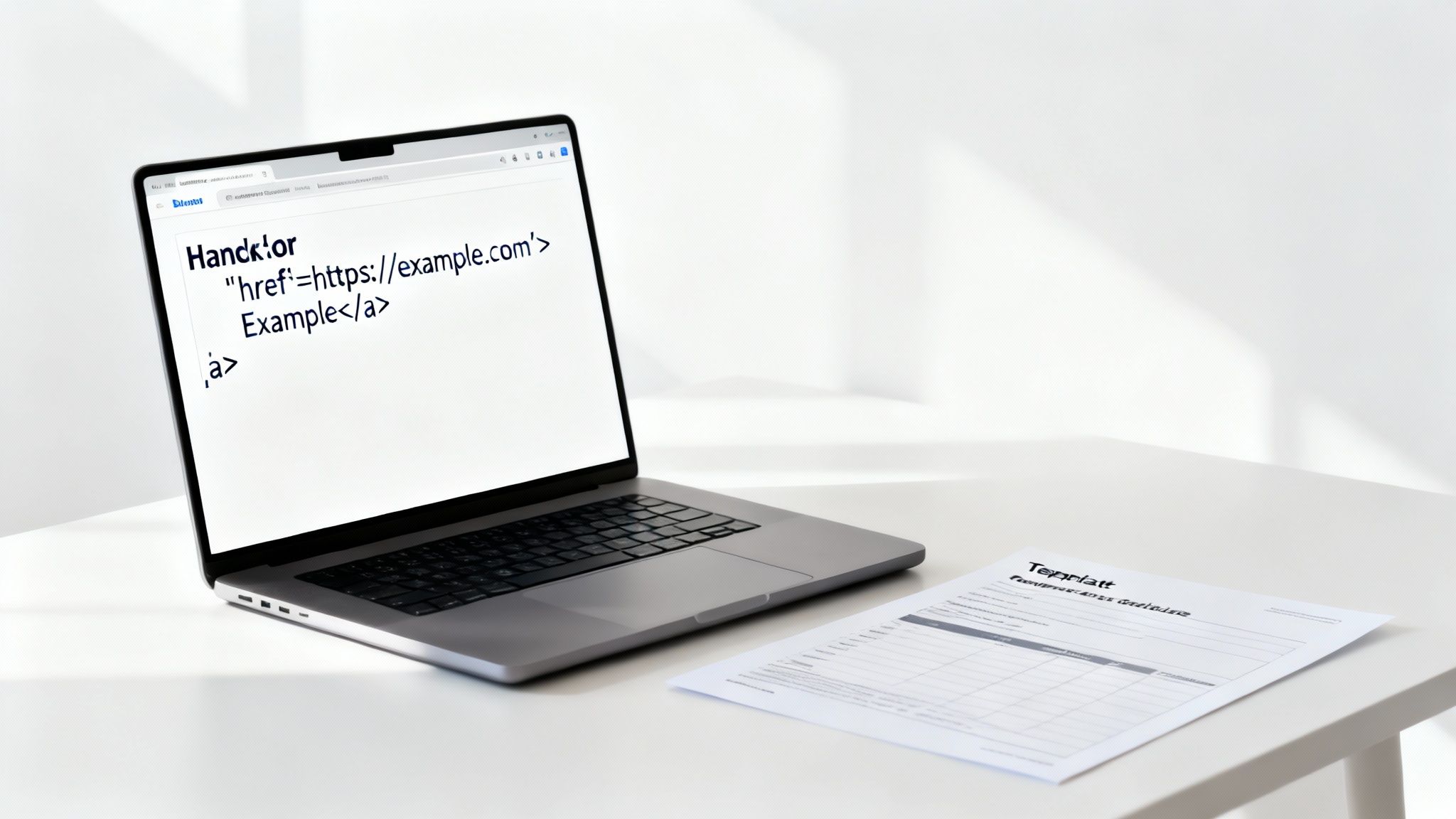
Getting do follow links in place is easier than it sounds. Follow three simple steps: add HTML, use JSON for bulk, then automate with AI.
1. HTML Snippets
Embedding a do follow link is as simple as a normal <a> tag:
<a href="https://example.com" title="Example Site">Example Site</a>
That one line hands over full link equity automatically.
If you list products, wrap each item:
<ul>
  <li><a href="/category/product-a">Product A</a></li>
  <li><a href="/category/product-b">Product B</a></li>
</ul>
HTML links without
rel="nofollow"are do follow by default.
2. JSON Template For Bulk Links
When you have dozens or hundreds of pages, a JSON file keeps things consistent:
[
  { "url": "https://example.com/product-a", "anchor": "Product A" },
  { "url": "https://example.com/product-b", "anchor": "Product B" }
]
In your template or CMS, map these fields:
<a href="{{url}}">{{anchor}}</a>
This approach ensures uniform anchor text and saves time.
3. Automate With AI And Sheets
Use Google Sheets or Airtable plus an AI service to refresh link data every day. Your sheet columns might look like:
- A: Page URL
- B: Current Link HTML
- C: Desired Anchor Text
AI Prompt Example:
Please update the HTML snippet in Column B to use the anchor text from Column C and remove any `rel="nofollow"` attributes.
Trigger this via Zapier or Make.com so new links sync from your CMS, then auto-generate cleaned HTML.
AI-Powered Link Audits
Even the best automation needs quick checks:
import requests

pages = requests.get("https://api.example.com/pages").json()
links = [l for l in pages["links"] if 'rel="nofollow"' not in l]
print("Do follow links found:", len(links))
Run this daily, feed results back to your sheet, and AI can patch any missing tags.
Link Placement Tips
Where you place a link matters:
- In the first 50–100 words of a paragraph for maximum impact
- Vary anchor text to cover related keywords
- Avoid long lists—keep links part of your narrative
| Position | SEO Impact | Best Use Case |
|---|---|---|
| In-Content | High | Editorial posts, guides |
| Sidebar/Widget | Medium | Related products or articles |
| Footer | Low | Sitewide navigation |
Putting it all together, you audit, update and verify in cycles. For more on spotting link schemes, see identifying and managing link schemes.
Measure Do Follow Link Performance
Once your links are live, track how they perform with clear dashboards and reports:
- Referral Traffic: Sessions from your new links
- Domain Authority Shifts: Watch DA score jumps
- Ranking Improvements: Keyword positions after link acquisition
- Link Velocity: Rate you’re adding do follow links
Building Dashboards In Google Data Studio
- Connect Google Analytics and Search Console
- Add tables for referral sessions and DA updates
- Overlay link acquisition dates with ranking charts
Using Search Console Reports
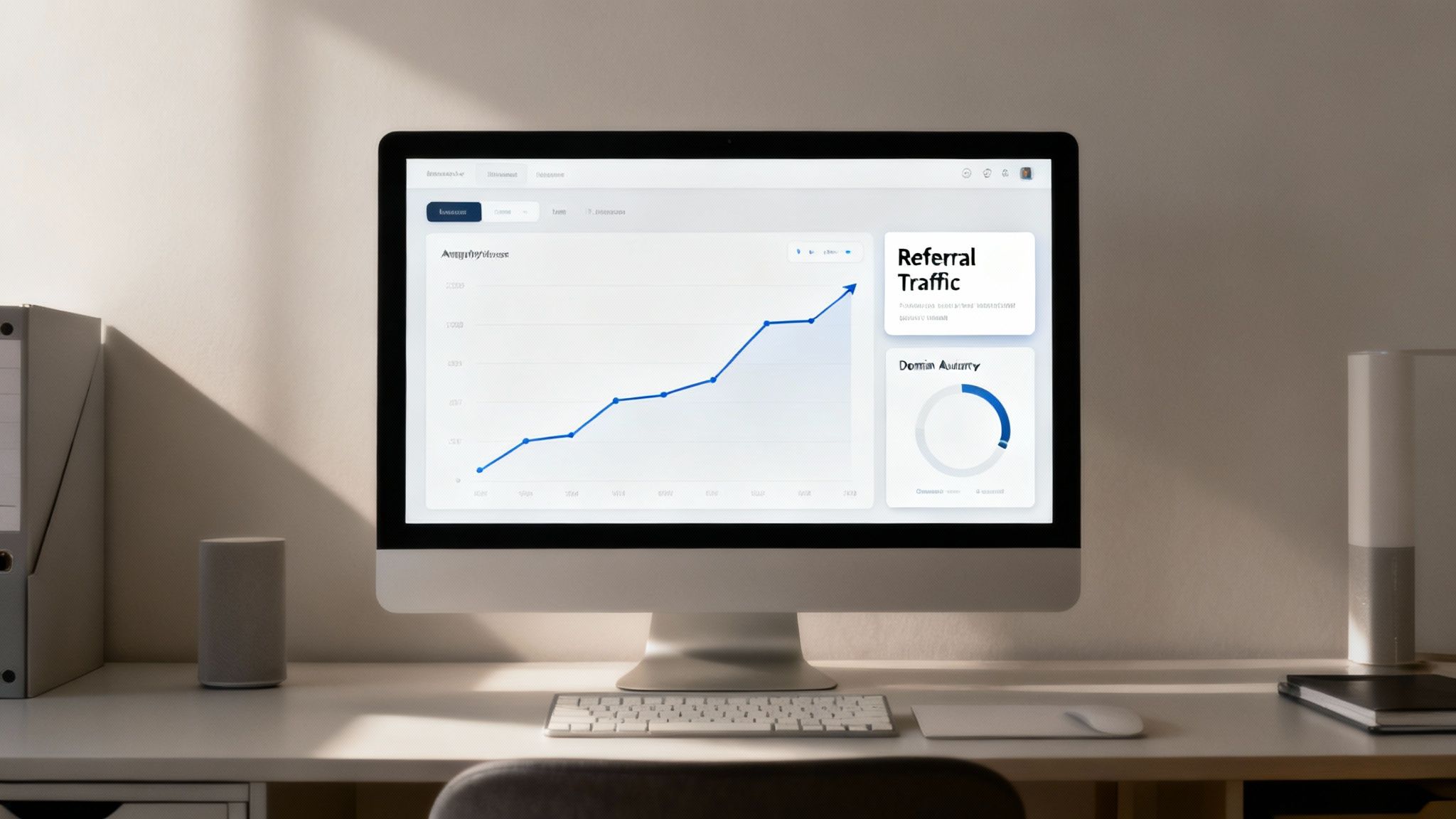
Search Console’s Links report shows who links to you and with which anchors. Dive into our programmatic SEO fundamentals guide for more.
Automated Alerts
- Data Studio alerts on 10% drops in referral sessions
- Search Console API triggers emails on unexpected link spikes
- Slack or email notifications for real-time link changes
| Metric Pair | High Correlation | Insight |
|---|---|---|
| Links vs Rankings | 0.8 | Strong link impact on keyword gains |
| Links vs Domain Authority | 0.9 | Consistent authority transfer |
| Random Fluctuations | <0.3 | Likely noise, needs review |
Consistent monitoring turns raw data into actionable steps.
Scale Link Building With Programmatic SEO
Programmatic SEO uses simple workflows and AI to reach dozens or hundreds of editors at once. You set filters, generate outreach, and verify do follow tags—all on autopilot.
1. Set Acceptance Criteria
Decide what makes a site worth linking from:
- 30+ Domain Authority
- German-language audience
- 2%+ engagement rate
- Topical relevance
Use filters in Sheets or Airtable to flag only the best candidates.
2. Automate Personalised Pitch Creation
Populate your sheet with:
- Name
- Website
- Topic angle
Then use this AI prompt:
Write a friendly outreach email to [Name] at [Website]. Introduce our content on do follow links, explain the value for their audience, and propose adding a link to our guide.
The AI drafts each message. You review and send—cutting email prep from 20 to 2 minutes.
3. Track Follow-Ups And Verify Tags
Schedule reminders three days after no reply. Use a simple crawler or AI check to confirm published links have rel="nofollow" removed. Alert your team when fixes are needed.
Domains with 50+ high-DA do-follow links from German influencers rank 40% higher in local SERPs. Read the full research here
Case Study: German Influencer Campaign
A Berlin retailer found 3,500 relevant blogs in weeks by filtering prospects in Airtable. AI wrote pitches in English and German, boosting acceptance rates by 25%. Automated nightly link checks kept the team ahead of issues.
| Step | Manual Approach | Programmatic SEO Approach |
|---|---|---|
| Research Targets | 2 weeks per batch | 2 hours per batch |
| Outreach Messaging | 20 min per email | 2 min per email |
| Link Verification | Ad hoc checks | Automated daily scans |
| Report Generation | Weekly manual report | Real-time dashboard |
Maintain Quality And Compliance
- Rotate outreach volume gradually
- Use multiple sending domains
- Manually review top-tier targets
- Archive all exchanges for audits
Quarterly updates to criteria and monthly spot checks keep your system honest.
Monitor Link Acquisition Results
Build a simple dashboard with:
- Weekly link velocity
- Average Domain Authority
- Outreach conversion rate
- Tag accuracy rate
Adjust filters and templates based on real-time data to refine your outreach engine.
FAQs About Do Follow Links
What Happens If I Mix Do Follow And Nofollow Links On The Same Page?
Do-follow links invite search engines to pass authority, while nofollow tags act like “do not enter” signs. Together, they tell bots exactly where to send equity. Use nofollow for ads or UGC and do follow for trusted editorial links.
How Long To See SEO Benefits From Do Follow Links?
Referral traffic can spike within days, but ranking improvements usually show over 4–12 weeks. Think marathon, not sprint: steady link growth wins.
Are AI-Generated Do Follow Links Safe?
AI helps you find prospects and draft messages, but always vet sites by hand and personalise outreach. Blend automation with human checks to avoid spam traps.
Recovering From Link Penalties
If you hit a penalty, start with a backlink audit in Search Console. Remove toxic links or use the Disavow tool sparingly. Then rebuild with high-quality do follow links and request reconsideration.
Ready to master programmatic link building? Explore Programmatic SEO Hub at https://programmatic-seo-hub.com/en for step-by-step guides and tools.
Related Articles
Mobile friendly test google: A Practical Guide to Master Mobile SEO
Even though Google’s standalone Mobile-Friendly Test tool is a thing of the past, the principle behind it is more critical than ever. The simple truth is that Google now overwhelmingly uses its...
A Practical Guide to Competitive Analysis Keywords
When we talk about competitive analysis keywords, we're really talking about the search terms that are already making money for your rivals. By digging into these, you uncover their entire...
Landing Pages SEO A Practical Guide to Rank and Convert
When we talk about SEO for landing pages, we're not just talking about general website optimisation. We're getting hyper-specific. This is the art of building and refining standalone pages...